Home › Dive Sites › Indonesia › Bali › The Wall

The Wall

📍 Bali, Indonesia

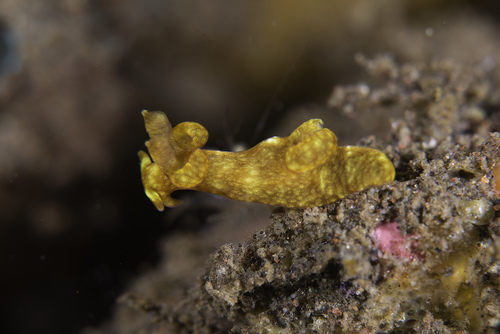
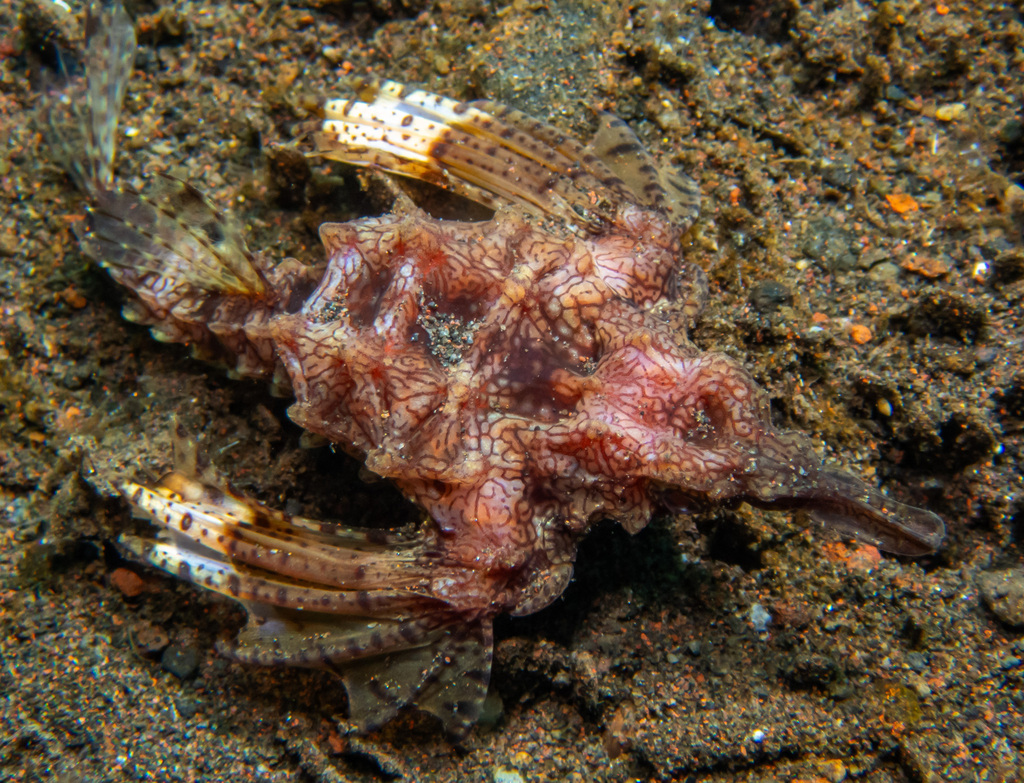
Dragon Seamoth (Eurypegasus draconis) — recorded at The Wall

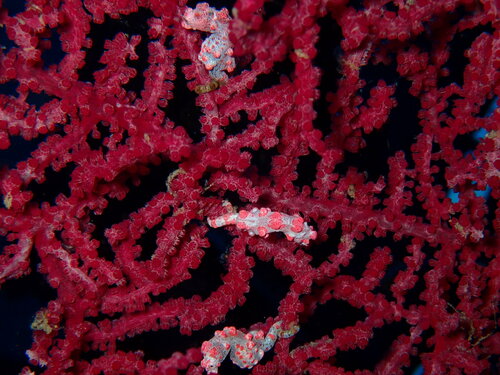
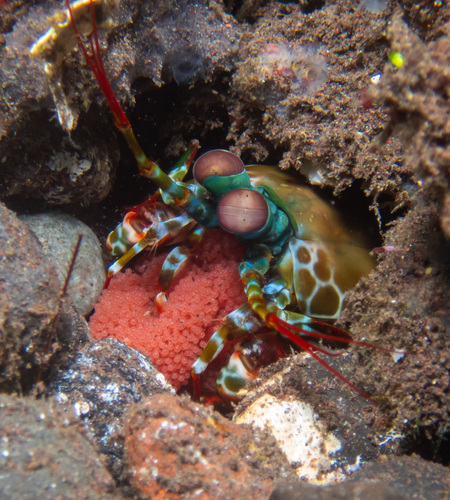
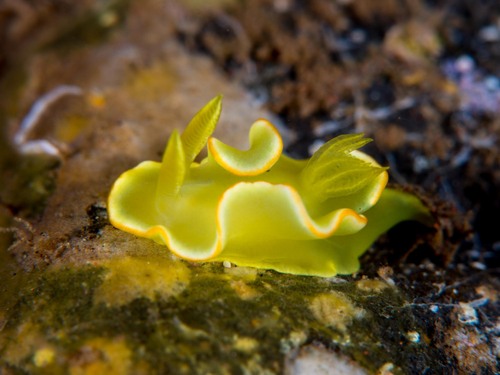
The Wall is a dive site in Bali, Indonesia. The site has a wall. Currents typically run at 2 km/h and reach 3.8 km/h on the strongest days. Water temperatures range from 28°C in August to 30°C in December. The typical daily tidal range is about 1.3 m. Species recorded in the area include Dragon Seamoth, Trapania reticulata, Pygmy Seahorse, Peacock Mantis Shrimp and Diversidoris crocea.

Dive Conditions

💨
Current
2.0 km/h (3.8)
🌡️
Water Temp
28–30 °C

🤿 Book a Diving Tour in The Wall

Tours powered by GetYourGuide. FindADive may earn a commission on bookings.

Typical Current 2.0 km/h (up to 3.8)
Water Temperature 28–30 °C
Tidal Range 1.3 m (typical daily)
GPS -8.3371°, 115.6619°

Data sources: currents and water temperature from Open-Meteo Marine (CC BY 4.0), hourly model values 2024. Tidal range is the median daily range of modelled sea level from Open-Meteo Marine, hourly values 2024. Species observations from iNaturalist, checked against the World Register of Marine Species.

Conditions at The Wall through the year

Sea surface temperature at the site coordinates, averaged per month from hourly model values for 2024. The water is warmest in December at about 30 °C and coolest in August at about 28 °C, a spread of 2.5 degrees across the year.

Monthly sea surface temperature at The Wall (°C)
JanFebMarAprMayJunJulAugSepOctNovDec
29.7 29.4 29.5 30.1 29.5 29.0 28.5 27.9 28.3 29.2 30.3 30.4

Ocean current at the site runs at a typical 2.0 km/h. In the strongest tenth of the hours modelled for 2024 it reaches 3.8 km/h, which is when entries are normally timed to slack water at the turn of the tide.

The tide moves the water level by a median 1.3 m over a day, and by up to 1.8 m on the largest days of the month. That range drives how much water is exchanged over the reef and when the current turns.

Offshore wave statistics are not shown for The Wall: within 10 km of the site there is land in the directions from which 100 % of the larger waves in the area arrive, so open-sea values would overstate the swell at the site itself.

Satellite habitat mapping places The Wall on a shoreline reef flat, over a seabed mapped as coral and algae. The classification comes from the nearest mapped reef polygon, about 11 m from the listed coordinates, so it describes the reef the site sits on rather than a single point on it.

How The Wall compares

These comparisons use only the measured values above, set against the 376 dive sites published on findadive.com. A percentage shows the share of other sites with a lower (or higher) value, so it reads the same way wherever the site is.

The Wall compared with all listed sites and with Bali
MeasureThis siteCompared with all sitesMedian in Bali
Mean water temperature29.3 °Ccooler than 63 % of the other 375 sites29.1 °C (99 sites)
Water temperature in the coolest month27.9 °Ccooler than 74 % of the other 375 sites27.8 °C (99 sites)
Typical current2.0 km/hstronger than 64 % of the other 375 sites3.2 km/h (99 sites)
Current in the strongest 10 % of hours3.8 km/hstronger than 66 % of the other 375 sites5.7 km/h (99 sites)
Median daily tidal range1.3 msmaller than 69 % of the other 375 sites1.5 m (99 sites)

Water temperature, current and tide from Open-Meteo Marine (CC BY 4.0), hourly model values for 2024 at -8.3371°, 115.6619°. Wave statistics from ERA5-Ocean via Open-Meteo Marine (contains modified Copernicus Climate Change Service information 2015–2024), daily maximum wave height on a 0.5° grid; land shelter tested against Natural Earth coastlines. Reef structure and seabed cover from the Allen Coral Atlas © 2018–2023 Allen Coral Atlas Partnership and Arizona State University (CC BY 4.0).

Marine life recorded at this site

Research-grade observations from iNaturalist within about 12 km of these coordinates.
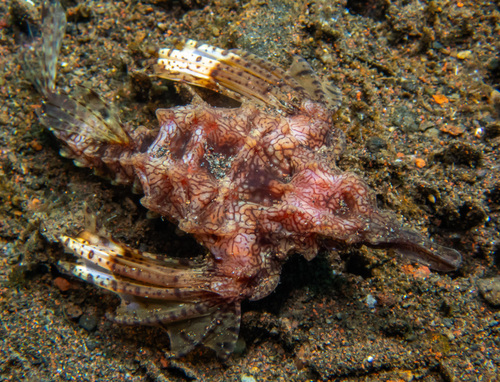
Dragon Seamoth (Eurypegasus draconis)
Dragon Seamoth Eurypegasus draconis A small, flattened fish with a boxy body and large, wing-like pectoral fins. It walks on the seabed using modified pelvic fins.to 10 cm · 3-90 m · day and nightsandy or silty bottoms, often near rubble or seagrassLook for a small, triangular shape on the sand; it may stay still, relying on camouflage, or walk away slowly. (c) portioid, some rights reserved (CC BY) · observation
Trapania reticulata (Trapania reticulata)
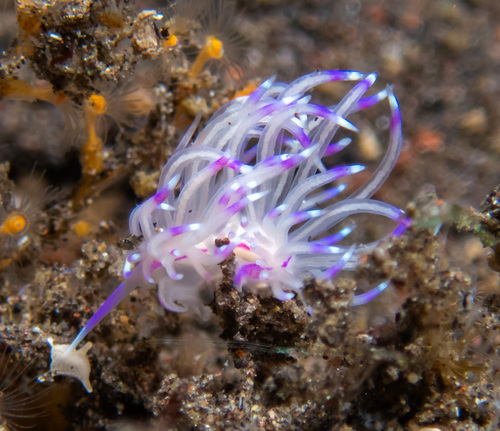
Trapania reticulata Trapania reticulata A small nudibranch with a translucent white body covered in a network of brown lines, and two pairs of long, finger-like appendages on its head and tail.to 2 cm · 5-20 m · day and nightsponges on shaded reef walls and overhangsLook for its distinctive shape and colour pattern on encrusting sponges, often in areas with some water movement. (c) Bernard Picton, some rights reserved (CC BY) · observation
Pygmy Seahorse (Hippocampus bargibanti)
Pygmy Seahorse Hippocampus bargibanti A tiny seahorse with a pink or yellow body covered in tubercles, perfectly camouflaged on its host gorgonian.to 2.4 cm · 16-40 m · day and nightgorgonian sea fans, especially Muricella speciesScan gorgonian fans slowly and closely; look for a small, rounded shape that matches the polyps. (c) Rachel Crane, some rights reserved (CC BY) · observation
Peacock Mantis Shrimp (Odontodactylus scyllarus)
Peacock Mantis Shrimp Odontodactylus scyllarus A brightly coloured mantis shrimp with a green body, orange legs and striking blue, red and green spots on its raptorial appendages. It lives in a burrow.to 18 cm · 3-40 m · by daysandy or rubble areas near reefs, in self-made burrowsLook for a neat, round burrow entrance; the shrimp often sits at the entrance, watching. (c) portioid, some rights reserved (CC BY) · observation
Diversidoris crocea (Diversidoris crocea)
Diversidoris crocea Diversidoris crocea A small nudibranch with a bright yellow body and a frilly white margin around its mantle, often seen crawling on the reef.to 3 cm · 5-25 m · day and nightcoral and rocky reefs, often on spongesLook for the bright yellow colour on reef surfaces and sponges; it moves slowly and is easily approached. (c) Bernard Picton, some rights reserved (CC BY) · observation
Unidentia sandramillenae (Unidentia sandramillenae)
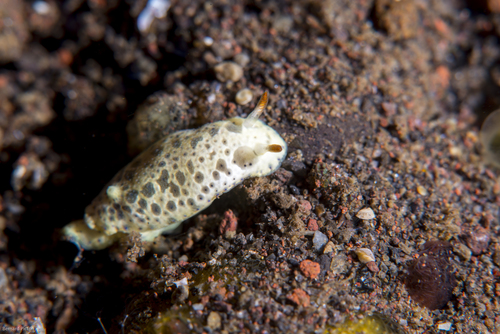
Unidentia sandramillenae Unidentia sandramillenae A small, translucent nudibranch with a white-edged mantle and scattered orange spots, often seen crawling on algae.to 2 cm · 5-20 m · day and nightalgae-covered rocks and rubbleLook closely on algae fronds; its pale colour and small size make it easy to miss. (c) portioid, some rights reserved (CC BY) · observation
Stichopus monotuberculatus (Stichopus monotuberculatus)
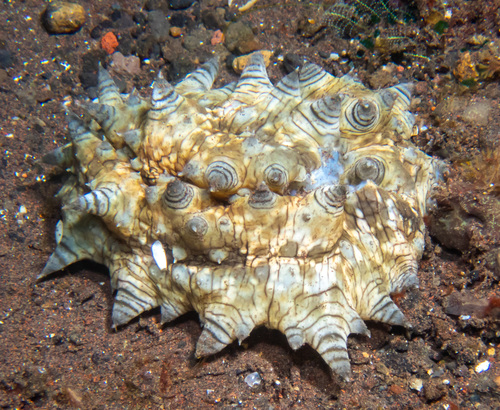
Stichopus monotuberculatus Stichopus monotuberculatus A sea cucumber with a dark brown to black body, often covered in fine sediment, and a single large tubercle on its dorsal surface.to 40 cm · 5-25 m · day and nightsandy and silty seabeds, often near seagrass or rubbleLook for a low, dark shape on the sand; its single prominent bump distinguishes it from similar species. (c) portioid, some rights reserved (CC BY) · observation
Hypselodoris lacuna (Hypselodoris lacuna)
Hypselodoris lacuna Hypselodoris lacuna A small nudibranch with a translucent white body and a pattern of orange spots and lines, often with a yellow margin to the mantle.to 2.5 cm · 5-30 m · day and nightsponges on coral reefs and rubble slopesLook closely on encrusting sponges, its food source; its pale colour can make it hard to spot. (c) Bernard Picton, some rights reserved (CC BY) · observation