Home › Dive Sites › Indonesia › Lombok › Takat Penyu

Takat Penyu

📍 Lombok, Indonesia

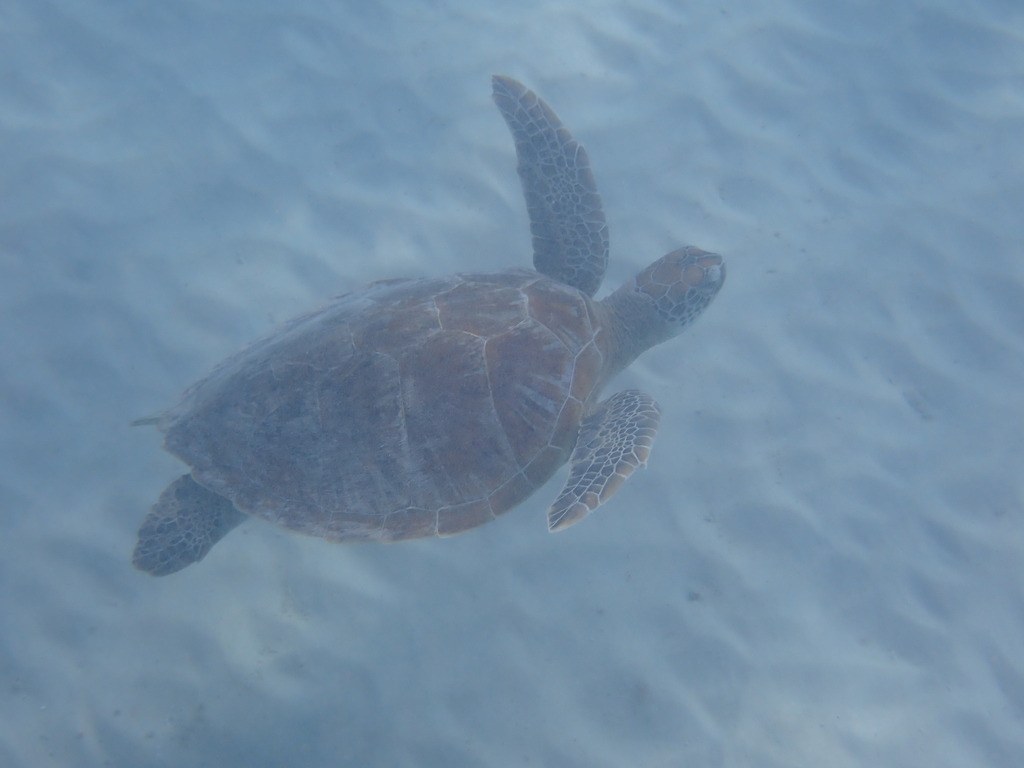
Green Sea Turtle (Chelonia mydas) — recorded at Takat Penyu

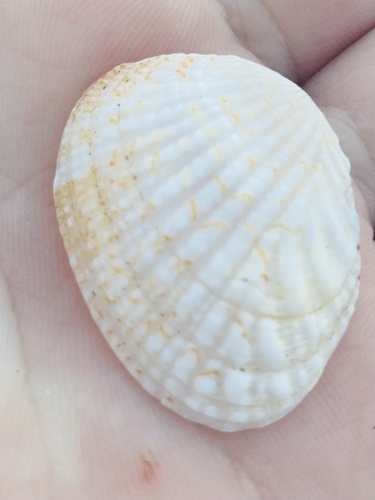
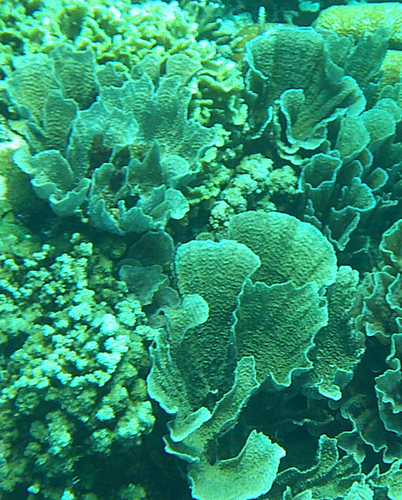
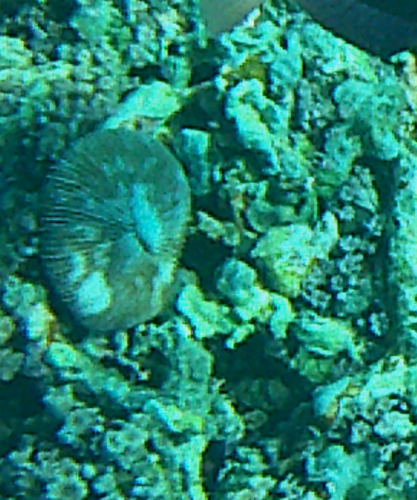
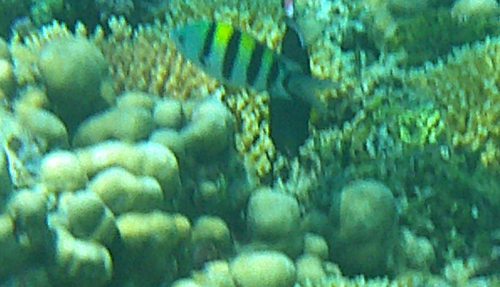
Takat Penyu is a dive site in Lombok, Indonesia. Currents typically run at 1.7 km/h and reach 3.2 km/h on the strongest days. Water temperatures range from 28°C in August to 30°C in November. The typical daily tidal range is about 1.2 m. Species recorded in the area include Green Sea Turtle, Comb Circe, Echinopora lamellosa, Common Mushroom Coral and Indo-Pacific Sergeant Major.

Dive Conditions

💨
Current
1.7 km/h (3.2)
🌡️
Water Temp
28–30 °C

🤿 Book a Diving Tour in Takat Penyu

Tours powered by GetYourGuide. FindADive may earn a commission on bookings.

Typical Current 1.7 km/h (up to 3.2)
Water Temperature 28–30 °C
Tidal Range 1.2 m (typical daily)
GPS -8.3448°, 116.0948°

Data sources: currents and water temperature from Open-Meteo Marine (CC BY 4.0), hourly model values 2024. Tidal range is the median daily range of modelled sea level from Open-Meteo Marine, hourly values 2024. Species observations from iNaturalist, checked against the World Register of Marine Species.

Conditions at Takat Penyu through the year

Sea surface temperature at the site coordinates, averaged per month from hourly model values for 2024. The water is warmest in November at about 30 °C and coolest in August at about 28 °C, a spread of 2 degrees across the year.

Monthly sea surface temperature at Takat Penyu (°C)
JanFebMarAprMayJunJulAugSepOctNovDec
29.4 29.4 29.6 30.1 29.8 29.1 28.8 28.3 28.6 29.4 30.3 29.9

Ocean current at the site runs at a typical 1.7 km/h. In the strongest tenth of the hours modelled for 2024 it reaches 3.2 km/h, which is when entries are normally timed to slack water at the turn of the tide.

The tide moves the water level by a median 1.2 m over a day, and by up to 1.7 m on the largest days of the month. That range drives how much water is exchanged over the reef and when the current turns.

In the open sea off Takat Penyu, the highest wave of the day exceeded 1.5 m on 2.0 % of days between 2015 and 2024. The roughest month was July (5 % of days), the calmest April (0 %). Land within 10 km blocks some of the directions these waves come from (open to about 36 % of them), so conditions at the site are likely calmer than these open-sea values.

Share of days with waves above 1.5 m, open sea near Takat Penyu (%, 2015–2024)
JanFebMarAprMayJunJulAugSepOctNovDec
223014541101

How Takat Penyu compares

These comparisons use only the measured values above, set against the 376 dive sites published on findadive.com. A percentage shows the share of other sites with a lower (or higher) value, so it reads the same way wherever the site is.

Takat Penyu compared with all listed sites and with Lombok
MeasureThis siteCompared with all sitesMedian in Lombok
Mean water temperature29.4 °Ccooler than 53 % of the other 375 sites29.4 °C (44 sites)
Water temperature in the coolest month28.3 °Cwarmer than 62 % of the other 375 sites28.2 °C (44 sites)
Typical current1.7 km/hstronger than 58 % of the other 375 sites1.8 km/h (44 sites)
Current in the strongest 10 % of hours3.2 km/hstronger than 61 % of the other 375 sites3.2 km/h (44 sites)
Median daily tidal range1.2 msmaller than 81 % of the other 375 sites1.2 m (44 sites)

Water temperature, current and tide from Open-Meteo Marine (CC BY 4.0), hourly model values for 2024 at -8.3448°, 116.0948°. Wave statistics from ERA5-Ocean via Open-Meteo Marine (contains modified Copernicus Climate Change Service information 2015–2024), daily maximum wave height on a 0.5° grid; land shelter tested against Natural Earth coastlines.

Marine life recorded at this site

Research-grade observations from iNaturalist within about 12 km of these coordinates.
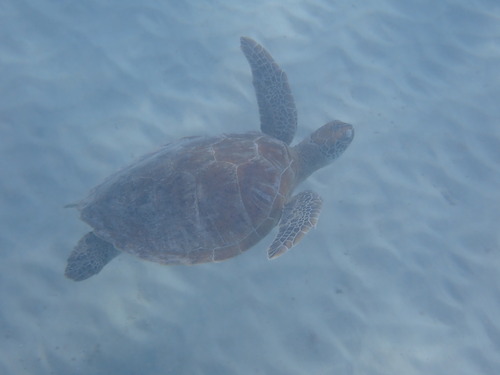
Green Sea Turtle (Chelonia mydas)
Green Sea Turtle Chelonia mydas A large sea turtle with a smooth, heart-shaped carapace, often seen swimming or resting on the seabed.to 1.5 m · surface to 40 m · day and nightseagrass beds, coral reefs, and sandy areasRemain still and avoid sudden movements; the turtle may approach if it feels unthreatened. (c) Kelvin Perrie, some rights reserved (CC BY) · observation
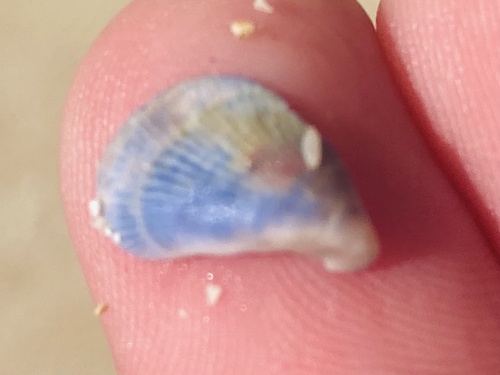
Comb Circe (Gafrarium pectinatum)
Comb Circe Gafrarium pectinatum A small, thick-shelled clam with strong radial ribs and a glossy interior, often found half-buried in sand.to 4 cm · 0-10 m · day and nightsandy or muddy substrates in sheltered areasLook for a pair of short siphons protruding from the sand; a gentle touch will cause them to retract. (c) River Ahlquist, some rights reserved (CC BY) · observation
Echinopora lamellosa (Echinopora lamellosa)
Echinopora lamellosa Echinopora lamellosa A colonial stony coral forming thick, upright plates or tiers with distinct ridges and valleys on its surface.5-25 mreef slopes and lagoons with moderate water movementLook for its distinctive plate-like growth form; the corallites are small and arranged in neat rows along the ridges. (c) River Ahlquist, some rights reserved (CC BY) · observation
Common Mushroom Coral (Fungia fungites)
Common Mushroom Coral Fungia fungites A solitary, free-living coral shaped like a flat disc or mushroom cap, often found resting on the seafloor.to 25 cm diameter · 3-30 m · day and nightsandy or rubble substrates on reef slopesLook for a single, fleshy polyp with a ridged surface; it may retract its tentacles during the day. (c) River Ahlquist, some rights reserved (CC BY) · observation
Indo-Pacific Sergeant Major (Abudefduf vaigiensis)
Indo-Pacific Sergeant Major Abudefduf vaigiensis A pale-bodied damselfish with five dark vertical bars, often seen in large, active schools above the reef.to 20 cm · 1-12 m · by dayshallow reef flats, slopes, and piersLook for shimmering schools near the surface, especially around structures like buoys or jetty pilings. (c) River Ahlquist, some rights reserved (CC BY) · observation
Deck Mussel (Septifer bilocularis)
Deck Mussel Septifer bilocularis A small mussel with a dark, ridged shell, often found in dense clusters attached to hard surfaces.to 5 cm · 0-20 m · day and nightattached to rocks, pilings, and other hard substratesLook for dark, fuzzy-looking patches on rocks; these are often clusters of this mussel. (c) River Ahlquist, some rights reserved (CC BY) · observation
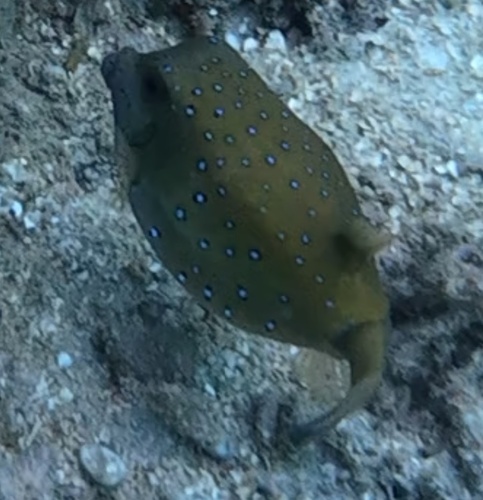
Yellow Boxfish (Ostracion cubicum)
Yellow Boxfish Ostracion cubicum A small, angular boxfish with a bright yellow body and scattered black spots, often seen hovering near the reef.to 45 cm · 1-50 m · by daycoral and rocky reefs, lagoonsWatch for its distinctive, slow, fluttering swimming motion, often near overhangs or coral heads. no rights reserved · CC0 · observation
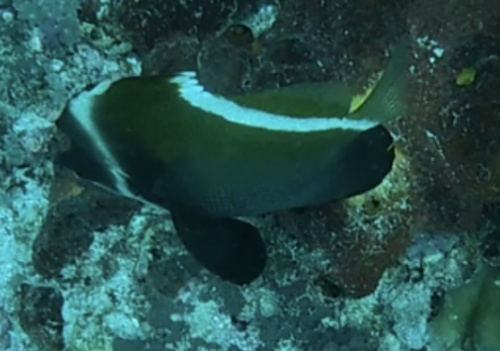
Humphead Bannerfish (Heniochus varius)
Humphead Bannerfish Heniochus varius A butterflyfish with a tall dorsal filament, black body with two broad white bands, and a distinctive hump on the forehead.to 19 cm · 3-30 m · by daycoral-rich areas of lagoons and seaward reefsOften seen singly or in pairs; look for it near caves and overhangs where it feeds on benthic invertebrates. no rights reserved · CC0 · observation