Home › Dive Schools › Indonesia › Pemuteran › Easy Divers – Bali

Easy Divers – Bali

PADI 5 Star Dive Resort 📍 Pemuteran, Indonesia ★★★★★ 5.0 (128 reviews)

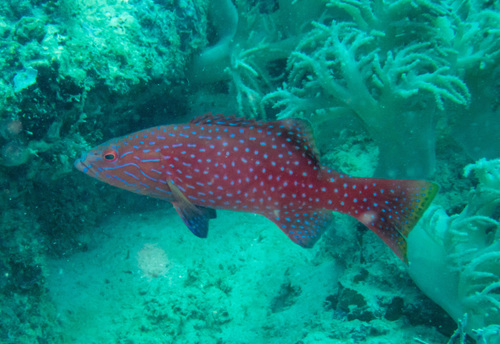
Photo: (c) portioid, some rights reserved (CC BY) · via iNaturalist

Easy Divers – Bali is a PADI 5 Star Dive Resort in Banyuwedang & Pemuteran, Indonesia. The courses listed on its website include Open Water Diver, Advanced Open Water Diver and Divemaster. It is based at Jl. Raya Gilimanuk Seririt, Pemuteran, Kec. Gerokgak, Kabupaten Buleleng, Bali 81155, Indonesia.

On Google it holds an average rating of 5.0 from 128 reviews.

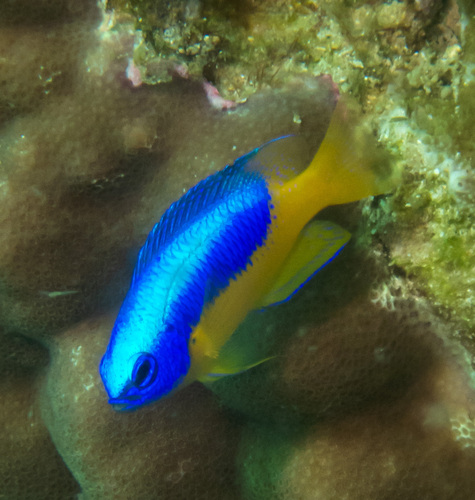
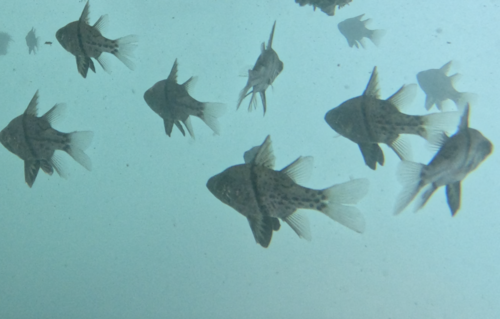
Sea temperatures in the surrounding waters range from 28°C in August to 31°C in November. Species recorded near these coordinates include Darkspotted Sole, Highfin Coralgrouper, Goldbelly Damsel and Orbicular Cardinalfish.

🤿 Book a Diving Tour in Pemuteran, Indonesia

Tours powered by GetYourGuide. FindADive may earn a commission on bookings.

At a glance

  • One of 3 PADI centres listed in Pemuteran (3 dive centres there in total)
  • 6 dive sites within 60 km: Pemuteran Bay (3 km) · Eel Gardens (11 km) · Bat Cave (15 km) · Jetty Post Ii (15 km) · Temple Point (15 km) · The Caves (15 km)
Certification PADI 5 Star Dive Resort
Courses offered Open Water Diver, Advanced Open Water Diver, Divemaster
Location Pemuteran, Indonesia
Address Jl. Raya Gilimanuk Seririt, Pemuteran, Kec. Gerokgak, Kabupaten Buleleng, Bali 81155, Indonesia
Google Rating ★★★★★ 5.0 128 reviews
GPS -8.1454°, 114.6530°
Operator ID 0552c8f0-6f28-432e-a4e2-ae2a6fc089cb

Sea temperature through the year

Average sea surface temperature at the coordinates of Easy Divers – Bali, Pemuteran, Indonesia, by calendar month. The water is warmest in November at 30.5 °C and coldest in August at 28.4 °C, a spread of 2.1 kelvin over the year. Every month of the year averages 25 °C or more.

MonthJanFebMarAprMayJunJulAugSepOctNovDec
Sea temperature (°C)29.629.529.830.230.029.328.828.428.629.730.530.4

By season, the four quarterly averages at this location are spring (March to May) 30.0 °C, summer (June to August) 28.8 °C, autumn (September to November) 29.6 °C and winter (December to February) 29.8 °C.

Sea surface temperature from Open-Meteo Marine (CC BY 4.0), daily model means 2022-11 to 2024-12, sampled at the coordinates of this dive centre. Values are monthly averages of the daily means, not forecasts.

Marine life recorded in this area

Research-grade observations from iNaturalist near these coordinates.
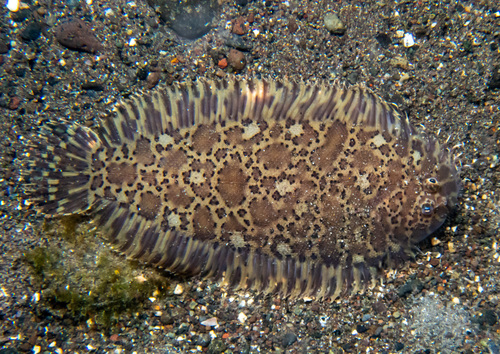
Darkspotted Sole (Liachirus melanospilos)
Darkspotted Sole Liachirus melanospilos A flat, oval-shaped bottom-dwelling fish with a dark-spotted upper side and a pale underside, often partially buried in sediment.to 15 cm · 1-30 m · at nightsandy or muddy seabed, near seagrass or rubbleLook for a faint outline or the eyes on the sediment; it flushes easily, so a torch held at a low angle helps. (c) portioid, some rights reserved (CC BY) · observation
Highfin Coralgrouper (Plectropomus oligacanthus)
Highfin Coralgrouper Plectropomus oligacanthus A robust grouper with a variable reddish to brownish body, often with small blue spots, and a distinctive tall, sail-like first dorsal fin.to 120 cm · 5-100 m · by dayouter reef slopes and channelsOften seen resting on the reef or hovering near overhangs; the high dorsal fin is most prominent when the fish is stationary. (c) portioid, some rights reserved (CC BY) · observation
Goldbelly Damsel (Pomacentrus auriventris)
Goldbelly Damsel Pomacentrus auriventris A small, bright yellow damselfish with a distinctive golden-orange belly and a black spot at the base of the pectoral fin.to 7 cm · 2-15 m · by daycoral-rich areas of lagoons and outer reef slopesLook for it darting among branching corals like Acropora, where it retreats when threatened. (c) portioid, some rights reserved (CC BY) · observation
Orbicular Cardinalfish (Sphaeramia orbicularis)
Orbicular Cardinalfish Sphaeramia orbicularis A small, deep-bodied cardinalfish with a silvery body and a pattern of dark spots that form vertical bands, often seen hovering in small groups.to 15 cm · 1-20 m · at nightsheltered lagoons and reef flats, near caves or overhangsLook for them sheltering motionless in shaded areas during the day; they become more active and easier to spot after dusk. (c) Sockrosma, some rights reserved (CC BY) · observation