Carabao Diving Center
Photo: Nott Peera · CC BY · via iNaturalist
Carabao Diving Center is an SSI dive centre located beachfront on Chalok Bay, Koh Tao, Thailand. It offers courses from Try Scuba and Basic Diver through to Divemaster level, and also runs fun dives for certified divers. According to the centre, it operates private boats and provides Dive & Stay packages.
Courses offered
| Course | Price |
|---|---|
| Try Scuba | THB 2,500 |
| Basic Diver | THB 3,500 |
| Open Water Diver | THB 9,900 |
| Advanced Adventurer | THB 9,500 |
| Divemaster | – |
| Fun dive | from THB 900 |
Prices as listed on the centre’s own website, checked October 2026. Please confirm current prices directly with the centre.
Diving with Carabao Diving Center
The centre visits dive sites including Chumphon Pinnacle, Southwest Pinnacle, Shark Bay, Sattakut Wreck, White Rock, and Tanote Bay. It uses private boats for diving.
On Google it holds an average rating of 4.6 from 627 reviews.
Sea temperatures in the surrounding waters range from 28°C in January to 31°C in May.
At a glance
- One of 23 SSI centres listed in Koh Tao
- 6 dive sites within 60 km:
Sea temperature through the year
Average sea surface temperature at the coordinates of Carabao Diving Center, Koh Tao, Thailand, by calendar month. The water is warmest in May at 31.4 °C and coldest in January at 28.1 °C, a spread of 3.3 kelvin over the year. Every month of the year averages 25 °C or more.
| Month | Jan | Feb | Mar | Apr | May | Jun | Jul | Aug | Sep | Oct | Nov | Dec |
|---|---|---|---|---|---|---|---|---|---|---|---|---|
| Sea temperature (°C) | 28.1 | 28.8 | 29.3 | 30.9 | 31.4 | 30.5 | 30.0 | 30.0 | 29.7 | 30.0 | 29.5 | 28.5 |
By season, the four quarterly averages at this location are spring (March to May) 30.5 °C, summer (June to August) 30.2 °C, autumn (September to November) 29.7 °C and winter (December to February) 28.5 °C.
Sea surface temperature from Open-Meteo Marine (CC BY 4.0), daily model means 2022-11 to 2024-12, sampled at the coordinates of this dive centre. Values are monthly averages of the daily means, not forecasts.
More Dive Schools in Thailand
Marine life recorded in this area
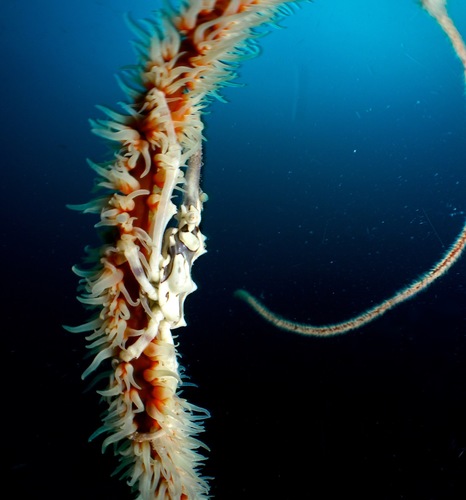
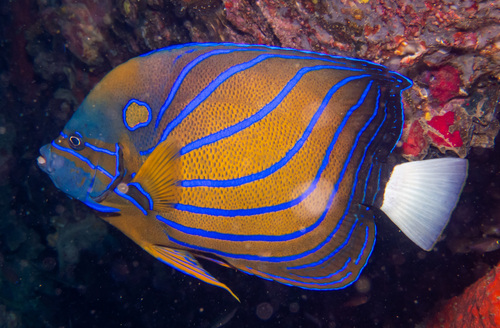
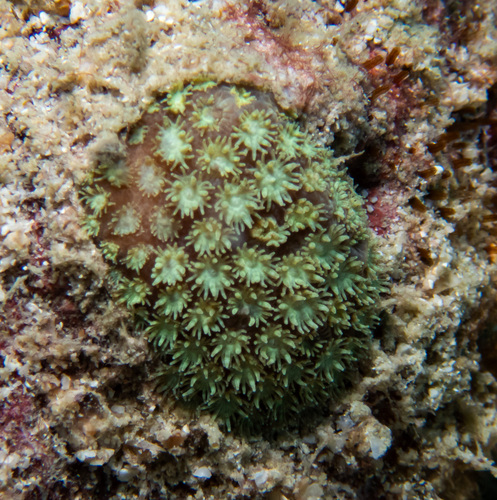
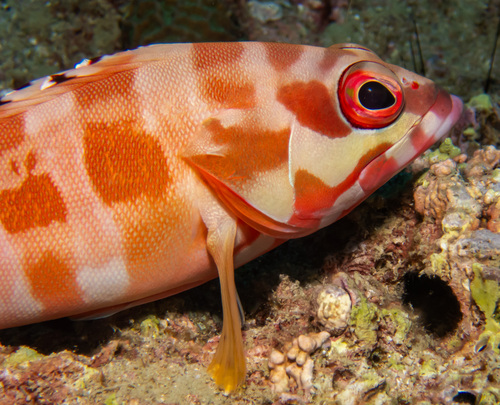
Research-grade observations from iNaturalist near these coordinates.