Home › Dive Schools › Indonesia › Candidasa › Sianmay Dive Bali

Sianmay Dive Bali

PADI Dive Center 📍 Candidasa, Indonesia ★★★★★ 5.0 (64 reviews)

Photo: (c) Alexander Regio, some rights reserved (CC BY) · via iNaturalist

Sianmay Dive Bali is a PADI Dive Center in Candi Dasa & Padangbai, Indonesia. The courses listed on its website include Discover Scuba Diving, Scuba Refresher, Scuba Diver, Open Water Diver and Advanced Open Water Diver. It is based at Candidasa, Jl. Raya Sengkidu, Sengkidu, Kec. Manggis, Kabupaten Karangasem, Bali 80871, Indonesia.

On Google it holds an average rating of 5.0 from 64 reviews.

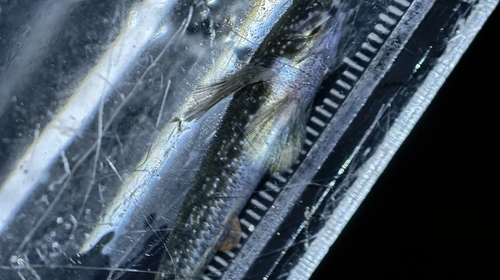
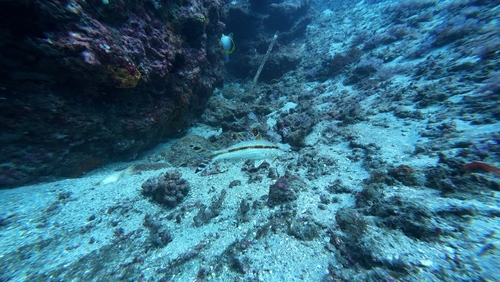
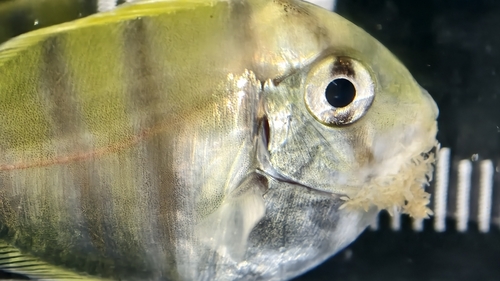
Sea temperatures in the surrounding waters range from 27°C in August to 30°C in December. Species recorded near these coordinates include Hawksbill Sea Turtle, Whitespotted Frillgoby, Freckled Goatfish and Convict Surgeonfish.

🤿 Book a Diving Tour in Candidasa, Indonesia

Tours powered by GetYourGuide. FindADive may earn a commission on bookings.

At a glance

  • One of 2 PADI centres listed in Candidasa (2 dive centres there in total)
  • 6 dive sites within 60 km: Rama Reef (0 km) · Gili Mimpang (3 km) · Gili Tepekong (4 km) · The Jetty (4 km) · Secret Tepekong (5 km) · Batu Pasir Hitam (5 km)
Certification PADI Dive Center
Courses offered Discover Scuba Diving, Scuba Refresher, Scuba Diver, Open Water Diver, Advanced Open Water Diver, Rescue Diver, Divemaster
Location Candidasa, Indonesia
Address Candidasa, Jl. Raya Sengkidu, Sengkidu, Kec. Manggis, Kabupaten Karangasem, Bali 80871, Indonesia
Google Rating ★★★★★ 5.0 64 reviews
GPS -8.5047°, 115.5580°
Operator ID 7a53b12b-404e-41e5-8b5e-005c05a7a761

Sea temperature through the year

Average sea surface temperature at the coordinates of Sianmay Dive Bali, Candidasa, Indonesia, by calendar month. The water is warmest in December at 29.9 °C and coldest in August at 27.2 °C, a spread of 2.7 kelvin over the year. Every month of the year averages 25 °C or more.

MonthJanFebMarAprMayJunJulAugSepOctNovDec
Sea temperature (°C)29.229.428.629.028.828.527.927.227.228.029.329.9

By season, the four quarterly averages at this location are spring (March to May) 28.8 °C, summer (June to August) 27.9 °C, autumn (September to November) 28.2 °C and winter (December to February) 29.5 °C.

Sea surface temperature from Open-Meteo Marine (CC BY 4.0), daily model means 2022-11 to 2024-12, sampled at the coordinates of this dive centre. Values are monthly averages of the daily means, not forecasts.

Marine life recorded in this area

Research-grade observations from iNaturalist near these coordinates.
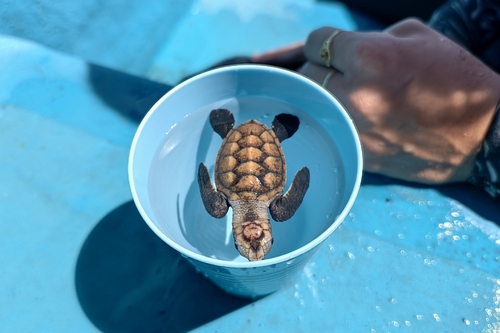
Hawksbill Sea Turtle (Eretmochelys imbricata)
Hawksbill Sea Turtle Eretmochelys imbricata A sea turtle with a distinctive pointed beak and overlapping scutes on its carapace, often seen grazing on sponges.to 1 m · 0-30 m · day and nightcoral reefs and rocky areasObserve from a distance; it may surface to breathe and then return to feed on the reef. (c) Alexander Regio, some rights reserved (CC BY) · observation
Whitespotted Frillgoby (Bathygobius coalitus)
Whitespotted Frillgoby Bathygobius coalitus A small, cryptic goby with a mottled brown body and scattered white spots, often seen resting on rocks or rubble.to 8 cm · 0-10 m · day and nightintertidal pools and shallow rocky or rubble areasLook for it perched motionless on rocks; it darts quickly into a crevice if approached too closely. (c) Alexander Regio, some rights reserved (CC BY) · observation
Freckled Goatfish (Upeneus tragula)
Freckled Goatfish Upeneus tragula A slender goatfish with a pair of chin barbels used to probe the sand for food. Its body is pale with a dark stripe along the side and scattered dark spots.to 30 cm · 1-80 m · day and nightsandy and muddy bottoms near reefsLook for the barbels stirring up the sediment; the fish often forages in small groups. (c) Alexander Regio, some rights reserved (CC BY) · observation
Convict Surgeonfish (Acanthurus triostegus)
Convict Surgeonfish Acanthurus triostegus A small surgeonfish with a pale body and six black vertical bars, often seen in large schools grazing on algae.to 27 cm · 1-90 m · by dayshallow reef flats, surge zones, and reef slopesLook for large, moving schools over reef flats or slopes, often in areas with strong water movement. (c) Alexander Regio, some rights reserved (CC BY) · observation