Lifeguard & Rescue Academy Maldives
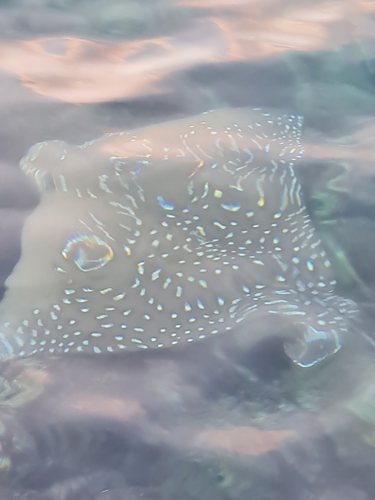
Photo: no rights reserved · CC0 · via iNaturalist
Lifeguard & Rescue Academy Maldives is an SSI Dive Resort in Male, Maldives.
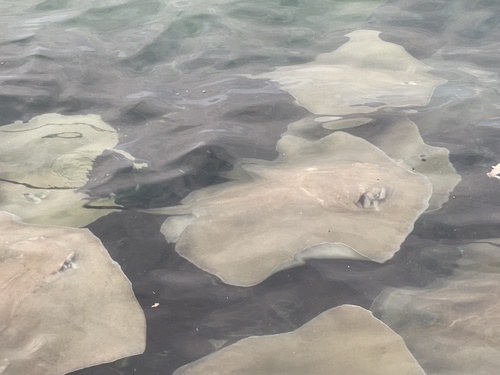
Sea temperatures in the surrounding waters range from 28°C in January to 31°C in April. Species recorded near these coordinates include White-spotted Eagle Ray, Indian Lionfish, Red-cheeked Pipefish and Pink Whipray.
At a glance
- One of 5 SSI centres listed in Male
Sea temperature through the year
Average sea surface temperature at the coordinates of Lifeguard & Rescue Academy Maldives, Male, Maldives, by calendar month. The water is warmest in April at 31.0 °C and coldest in January at 28.3 °C, a spread of 2.7 kelvin over the year. Every month of the year averages 25 °C or more.
| Month | Jan | Feb | Mar | Apr | May | Jun | Jul | Aug | Sep | Oct | Nov | Dec |
|---|---|---|---|---|---|---|---|---|---|---|---|---|
| Sea temperature (°C) | 28.3 | 28.5 | 29.6 | 31.0 | 30.3 | 29.8 | 30.1 | 29.9 | 29.6 | 29.5 | 29.7 | 29.1 |
By season, the four quarterly averages at this location are spring (March to May) 30.3 °C, summer (June to August) 29.9 °C, autumn (September to November) 29.6 °C and winter (December to February) 28.6 °C.
Sea surface temperature from Open-Meteo Marine (CC BY 4.0), daily model means 2022-11 to 2024-12, sampled at the coordinates of this dive centre. Values are monthly averages of the daily means, not forecasts.
More Dive Schools in Maldives
Marine life recorded in this area
Research-grade observations from iNaturalist near these coordinates.